Your Sounds, Your Lights 2 DIY Raspberry Pi Pico projects — for kids aged 9+
Your Sounds, Your Lights two DIY Raspberry Pi Pico projects
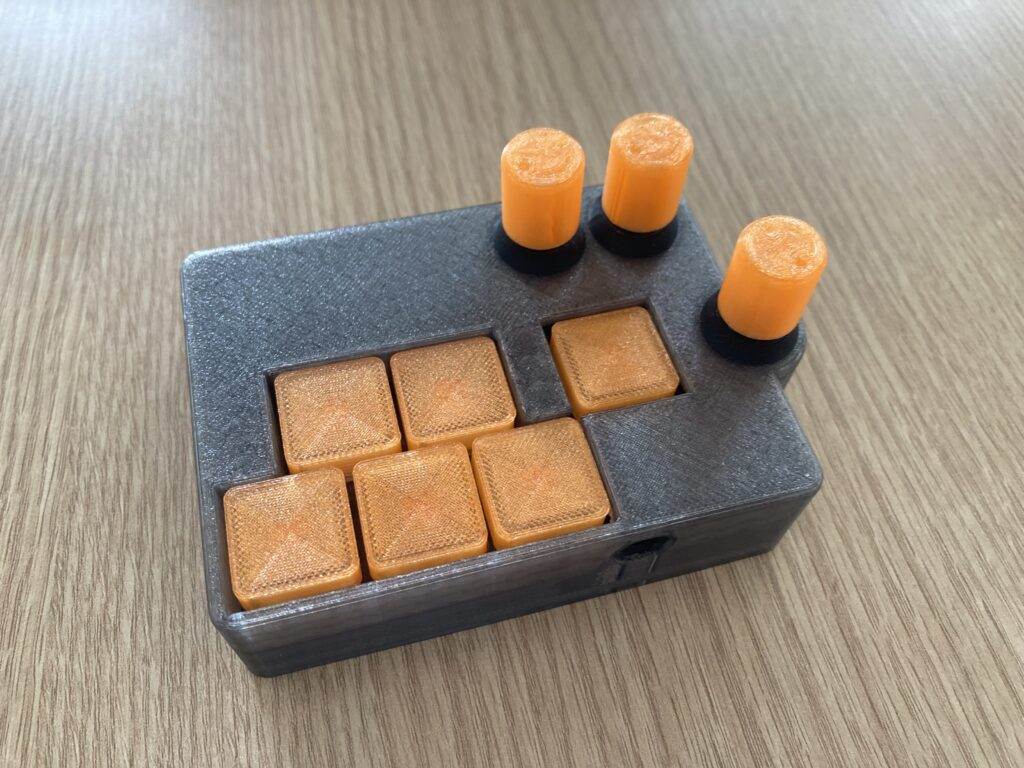
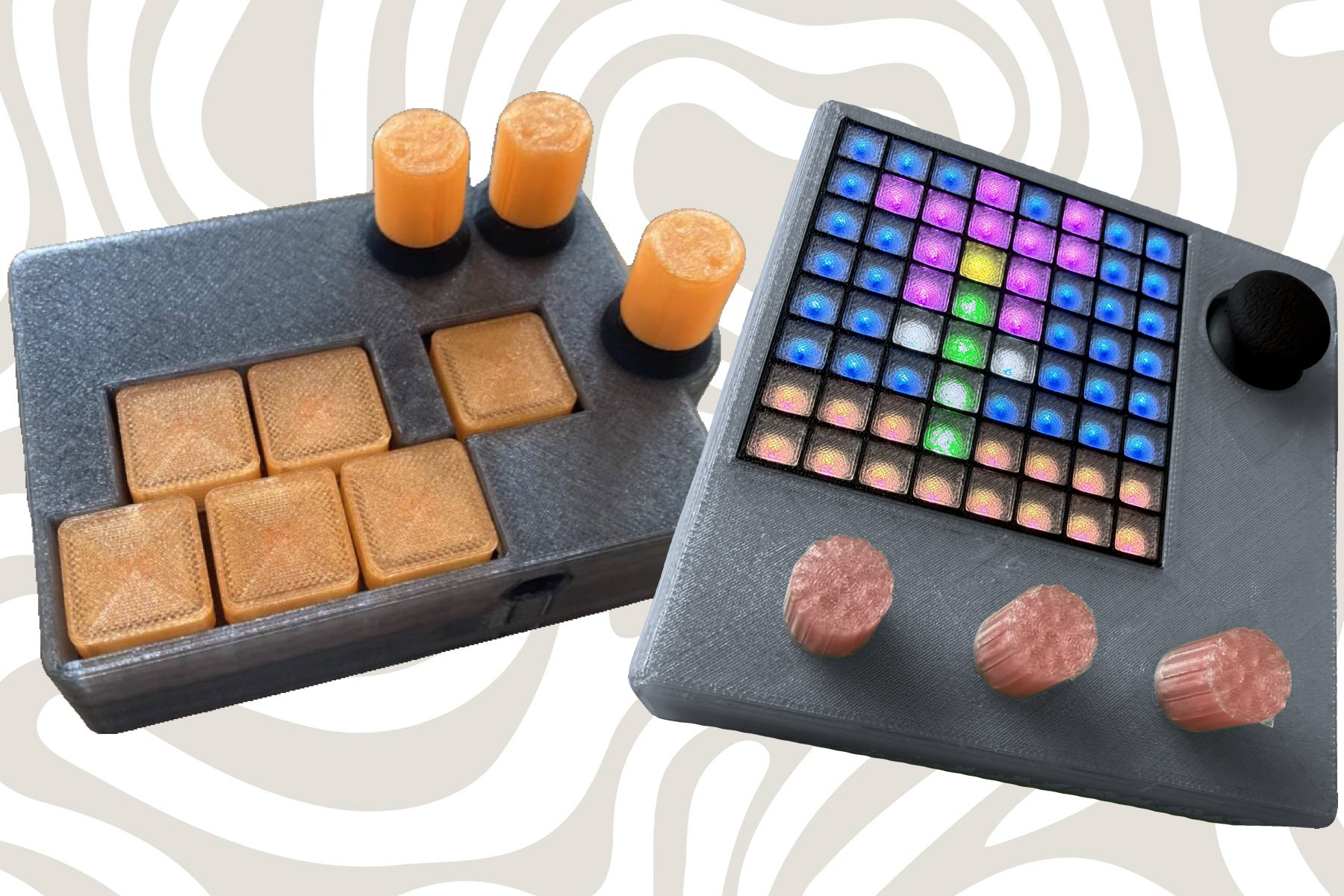
The Pico Synth. A pocket-sized DIY synthesiser, designed to be easy to use while never getting boring. Based on a Pi Pico, it has a full range of features ,pitch bend, multiple sound samples, vibrato, and sound filtering, making it a real instrument.
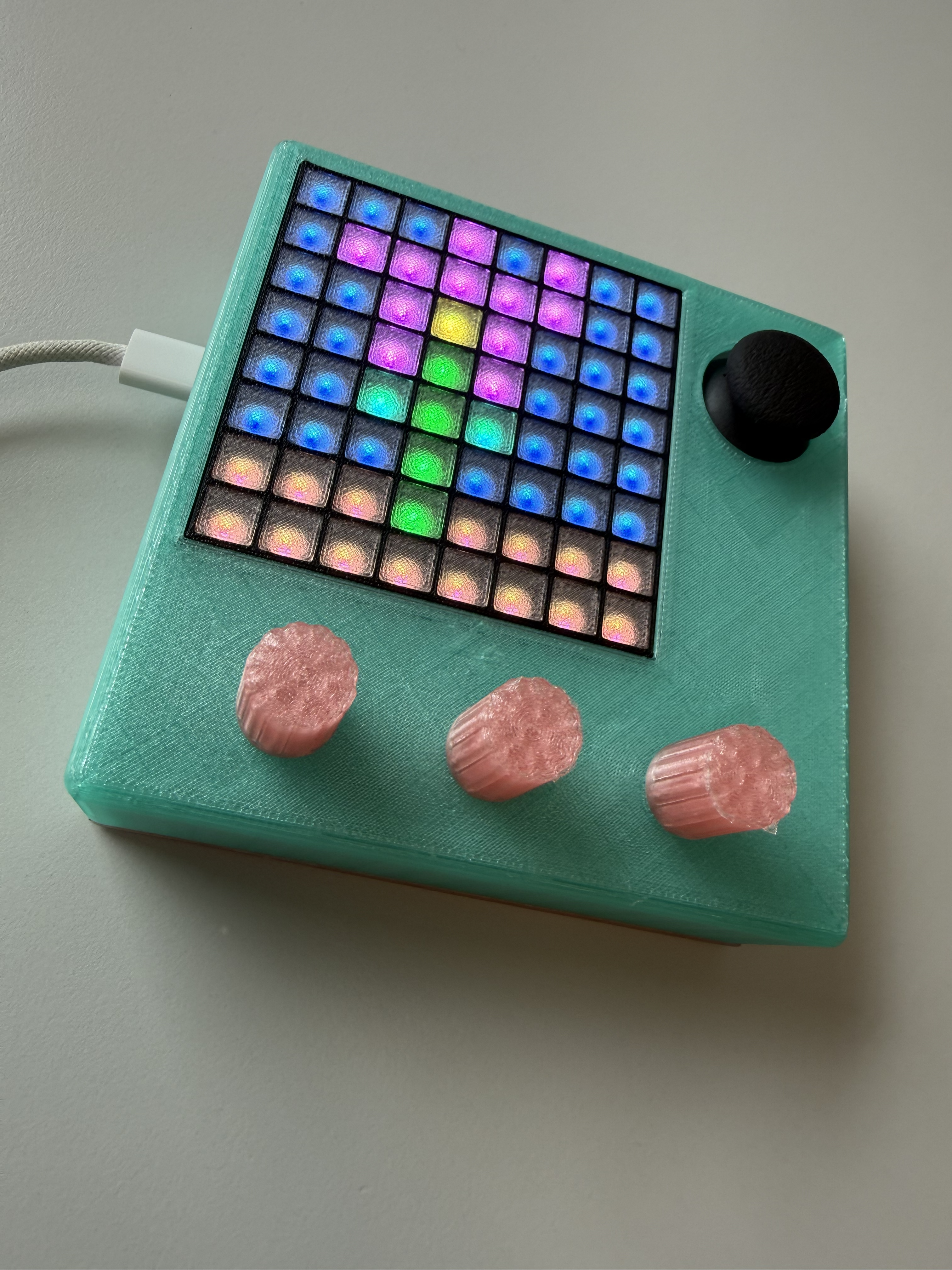
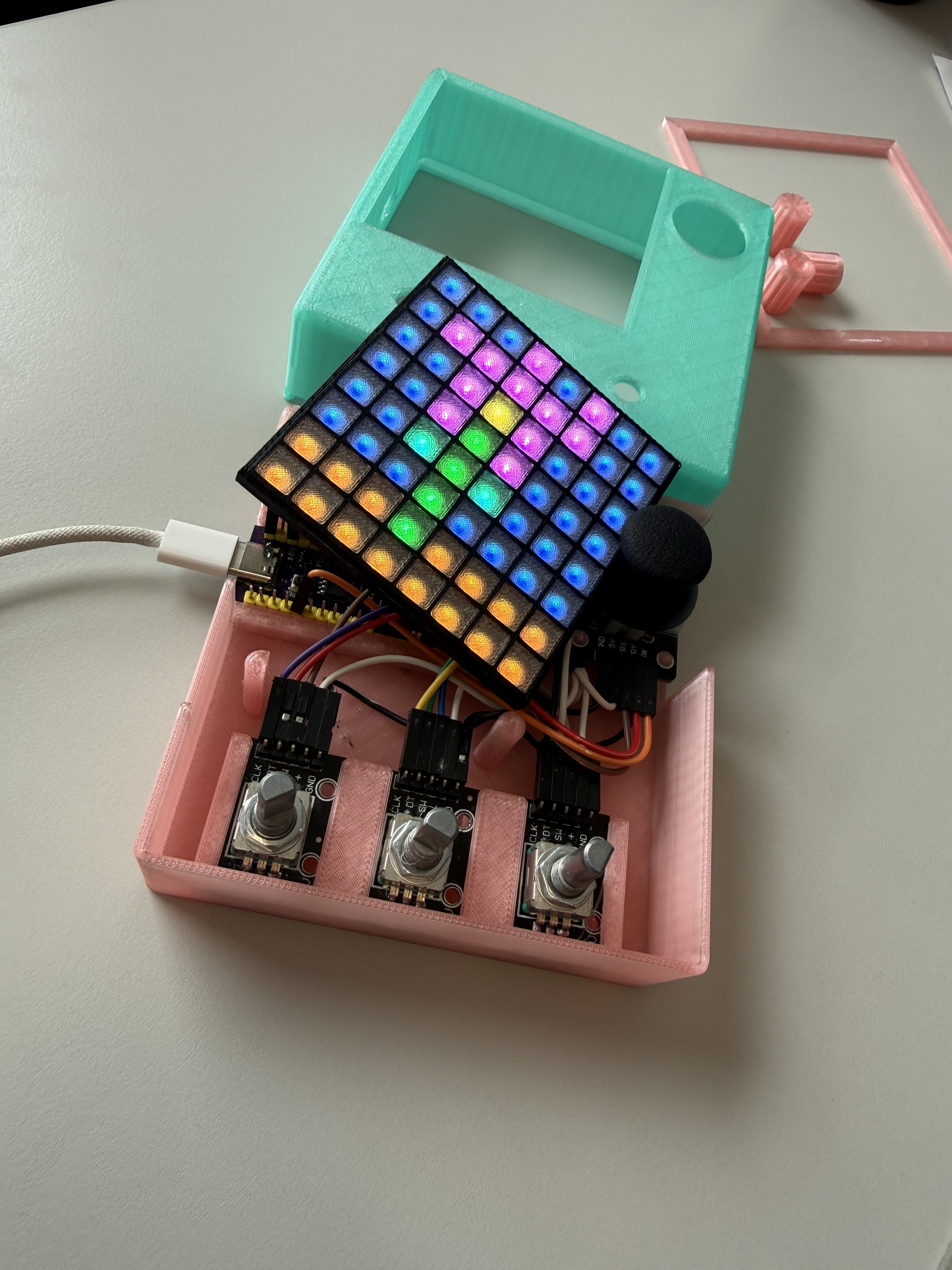
The Pixel Animator. A digital canvas you can draw on, pixel by pixel, and then animate frame by frame. It's playful, immediate, and teaches the foundations of animation and colour mixing.
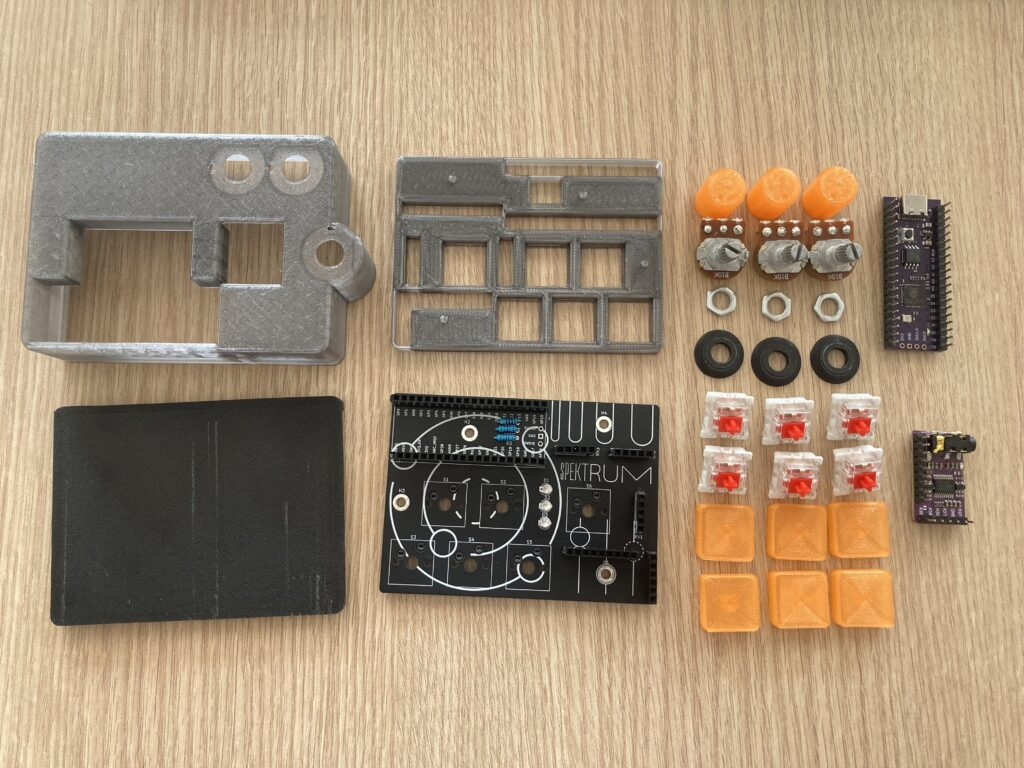
Made to be built. Both projects are designed from the ground up to be assembled by makers aged 9+
Stop by, make some noise, draw with light. Maybe you'll be part of the next Pico workshop ;)
Presented by UNHINGED (unhinged.works) interactive media, electronics and STEM workshops.

Joan Gaston Schonne Dondelinger
Hi,
My name is Joan, and I'm a freelancer specialising in custom product development as well as team-building and workshop activities. I run my work under the name UNHINGED (unhinged.works).
I'm passionate about everything to do with electronics, programming and 3D printing, and I love the fact that we live in a time where nothing is off limits for a maker.
I hope to find like-minded makers at the faire and to inspire newcomers to dip their toes into the world of electronics and engineering.
Excited to meet you at my booth ;)
More Maker Info
https://unhinged.worksMore Event Info
More Project Info
https://unhinged.works/projects/
What inspired you to make this project?
The Pico Synth came to be after being asked to create a hands on music theme workshop for kids for the Rocklab. The goal was to create a synthesiser that not to expensive to manufacture and easy to build while being educational and exiting for kids.
The Pixel Animator has a similar story but wasn't designed for a specific organisation as has as main theme colours and animation.
What are some of the challenges you have encountered and how did you address them?
The main challenge with both kits was keeping costs low. Since these kits are mainly made for workshops, they needed to stay affordable. One way to do that was to scout the internet for the best price on each part, and to assemble the boards and some of the components by hand